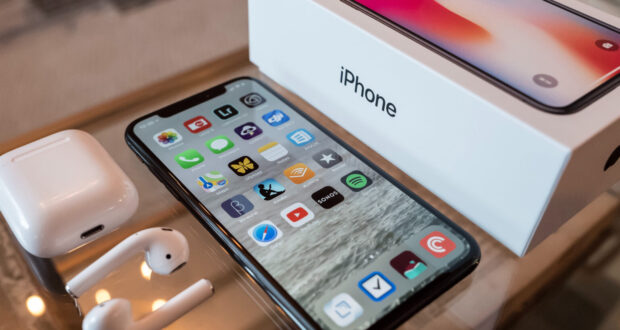

The flagship smartphone has long been a battlefield decided in millimeters and milliseconds, and the device unveiled at the manufacturer’s spring event this week takes that fight into a new generation of silicon and display engineering. The new model, which the company calls its most ambitious handset to date, pairs a custom-built processor with a display that bends the current limits of brightness and refresh, in a body that shaves several millimeters off last year’s design while adding battery capacity rather than subtracting it.
The headline feature is the in-house chipset, fabricated on a more advanced production node than any previous consumer silicon and arranged in a 12-core layout that splits responsibilities between high-performance and high-efficiency clusters. Company officials said the processor delivers roughly 35 percent more sustained performance than the previous generation while drawing less power at idle, gains that show up immediately in camera processing, gaming, and the always-on artificial intelligence features that now make up a large share of the device’s daily activity.
Display and Design
The screen is a study in compromise elimination. The slab display pushes peak outdoor brightness to levels that previous panels could sustain only briefly without throttling, and a variable refresh mechanism matched to the content on screen extends battery life even as the performance envelope grows.
Build quality received as much attention as the electronics. The frame is machined from a stronger aluminum alloy, and the front and rear panels use a new generation of ceramic glass that the company says survives a two-meter drop test onto concrete, a claim verified in an independent lab before the launch. The industrial design team also relocated the antenna system so that the metallic frame no longer interferes with signal reception, addressing a criticism that has dogged the industry for several generations and improving measured download speeds in fringe coverage areas.
The camera arrangement represents the biggest hardware shift in years. A primary sensor with a larger physical footprint and a variable aperture gathers meaningfully more light in dim conditions, while a dedicated periscope lens with a five-stage optical design brings distant subjects into sharp focus. The whole stack benefits from the new image-signal processor, which runs photonic noise reduction and multi-frame merging at the silicon level rather than through the general-purpose cores.
Performance and Photography
Real-world performance is where the device earns its flagship badge. In sustained benchmark runs, the new phone sustained peak clock rates for roughly 70 percent longer than its predecessor before thermal limits engaged, and frame rates in demanding titles held steady where older models stuttered. The improved cooling uses a vapor chamber that spans more than half the internal area, drawing heat away from the processor and toward an external surface designed to stay cool to the touch.
Photography, as always, carries the marketing weight. Sample images shared at the launch show low-light shots that previous generations would require a tripod to capture, with detail retained in shadow regions and minimal luminance noise. The zoom lens captures usable telephoto shots at ranges that earlier optical designs could not reach, aided by a stabilizer system that compensates for both pitch and yaw movement. Video gains a cinematic mode that applies depth separation to footage in real time, and an upgraded microphone array now removes wind noise without the muddy artifacts that plagued earlier attempts.
Battery life rounds out the physical improvements. A reshaped cell packed into the freed internal volume delivers larger capacity, and the efficient display and processor extend the practical result further. In a standard usage pattern that mixes streaming, messaging, navigation, and photography, independent reviewers measured roughly two days of operation, and a fast-charging system restores most of the charge in well under an hour using the bundled adapter.
Software and Ecosystem
Software is where the device tries to differentiate itself beyond hardware. The new operating system release introduces a continuous task bar that persists across apps, an updated notification model that groups interruptions by importance, and a privacy dashboard that surfaces which sensors are being accessed and by which applications. The company has committed to extended support timelines, promising several years of major updates, a policy intended to stretch the practical lifespan of the device and blunt the environmental criticism aimed at the industry.
The integration with the rest of the ecosystem is deeper than before. Handoff between the phone, tablet, and laptop has been streamlined to near-instantly, and a new cross-device clipboard means content copied on one screen can be pasted on another without configuration.
On the artificial intelligence front, the on-device model has been expanded to run more ambitious tasks locally, from summarizing incoming messages to transcribing meetings in real time without network access. Company officials were careful to state that the feature set is designed to keep personal data on the device.
Pricing and Availability
The pricing structure reflects the premium positioning. The base configuration starts at a figure in line with the previous flagship’s launch price, while the larger-capacity variants and a new fold-adjacent convertible model occupy higher tiers. Pre-orders open within days, with general availability scheduled across the primary markets in the following weeks. Carrier promotions are expected to bundle the device with data plans that include generous hotspot allowances.
Analysts were broadly positive about the device’s prospects, noting that the combination of a meaningfully faster chip, a disruptive display, and a stronger battery story addresses the three complaints that most often drive upgrades. The main risk, they cautioned, is supply chain pressure on the advanced node, which has constrained volumes of competing devices throughout the industry.
For now, the flagship landscape has a new benchmark. The device delivers on the core promise of a modern smartphone, more capable computation, better imaging, and longer endurance, without the compromises that have historically forced buyers to choose among the three, and it sets a high bar that the rest of the market will spend the next year trying to match.