
Street photography has always been a mirror held up to public life, but the mirror has been moving. In 2026, photographers on the streets of cities from Tokyo to Mexico City are working in a landscape transformed by camera phone habits, changing privacy law, and a generation raised on imagery rather than print. The genre that Henri Cartier-Bresson once defined through decisive moments now unfolds in response to new realities, and the trends shaping it are visible in every gallery feed, zine, and competition shortlist of the year. Whether you shoot with a film rangefinder or the phone in your pocket, understanding these currents will change where you stand, what you look for, and how you edit the work you bring home.
Quiet Color Replaces the Punchy Look
The most visible shift in 2026 is a retreat from the aggressive, saturated color grading that dominated street feeds for a decade. Editorial photographers now favor a muted, natural palette, the kind of gentle tonal range you get from pushing a raw file slightly toward the shadows and setting saturation just below neutral. The result is a photograph that feels observed rather than manufactured, closer to how the street actually feels at four in the afternoon than to how a filter pretends it looks. This quiet color approach leans on structure, on geometry, shadows, and the relationship between figures and their architectural frames, rather than on hue to carry the emotional weight.
Alongside this, the black-and-white street tradition has not disappeared but evolved. Monochrome has become a deliberate choice tied to subject matter, used by photographers who want to flatten a busy scene into graphic shapes, rather than a default applied to everything. The professional consensus in 2026 is that the treatment must serve the story, so the same photographer will happily deliver muted color in the morning and stark monochrome by noon, letting the street itself dictate the language.
Privacy Law Reshapes the Frame
Nothing has changed street photography in the past five years more than regulation. New consent and privacy rules across Europe, and similar debates in North America and Asia, have made recognizable faces in candid shots a legal minefield, especially when images circulate commercially. Working street photographers have adapted with a toolkit of strategies rather than abandoning the genre. Many now shoot from angles that value context over portraiture, frames where the figure is part of a wider scene and identity is secondary to gesture. Others embrace blur, motion, and silhouette as aesthetic solutions that happen to satisfy the law, turning necessity into style.
Photographers who do push into portraiture increasingly operate with a simple principle: interact or obscure. They approach strangers directly, ask permission, and turn the encounter into a collaboration, which yields warm, rooted portraits of a kind the drive-by style never produced. Alternatively, they shoot hands, feet, reflections, and fragments that tell the street’s story without a single identifiable face. The trend has quietly improved the genre, forcing practitioners to be more intentional about what belongs in the frame and why.
The Return of the Single Image
For years, the street photography feed rewarded quantity, bursts of a hundred frames from a single location, with the best frame surfacing days later. The 2026 trend has inverted that logic. Editors and curators report that judges now punish incoherent portfolios and reward the photographer who presents one strong image per location, a deliberate departure from the spray-and-pray habits enabled by electronic shutters. This has pushed practitioners back toward the older virtues of anticipation and placement: standing where the light will arrive, pre-visualizing the frame, and pressing the shutter when the geometry resolves rather than hoping to sort it out later.
The single-image discipline has also changed how photographers edit. The new normal is a ruthless culling process, where a day’s shoot of six hundred frames is reduced to maybe three keepers, and from three, one earns the feed. This is as much a craft skill as the shooting itself, and photographers describe their editing session as the place where the work is really made. The habit of sitting with images for a week before judging them, then printing contact sheets the old way, has quietly returned among professionals who find the screen deceives.
Hybrid Tools and the Phone as a Serious Camera
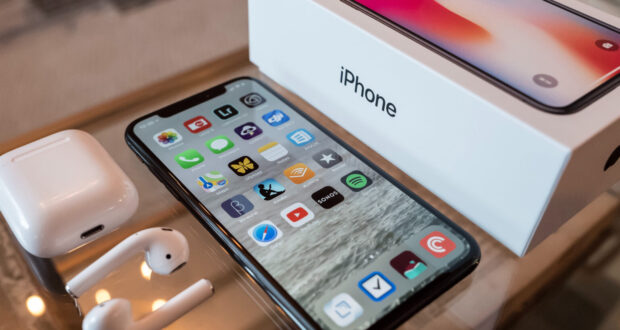
Gear in 2026 reflects the genre’s new seriousness. The romantic debate between phone and dedicated camera has largely dissolved, replaced by pragmatic mixing. Many working photographers carry a compact full-frame body with a single 35mm or 40mm prime, treating it as the extension of the eye, and use the phone as the reconnaissance tool, scouting light and shadow in a location before committing. The phone’s computational photography, especially the way it can hold highlights in bright daylight, has earned it a place in serious workflows, and the best hybrid shooters can produce a body of work where the two sources are indistinguishable.
Film has carved out a small but passionate niche at the edges. A generation that grew up digital now pays premium prices for the grain, the limited frames, and the enforced slowness of a roll of 36 exposures, which several prominent street photographers cite as their best editing discipline. The trend points to a genre settling into confidence: street photography in 2026 knows exactly what it wants to say, and it is less interested in debating its tools than in using every one of them honestly.
Conclusion
The trends shaping street photography in 2026 all point the same way, toward intention. Muted color, respect for privacy, single-image discipline, and hybrid tools each ask the photographer to think before they lift the camera. The streets themselves have not changed, but the way we are permitted to observe them has, and the practitioners flourishing this year are the ones who turned those new constraints into new vision. The best street photography of the year does not look like a category, it looks like the specific truth of a place, arriving in one carefully earned frame at a time.